

From Championship to Championship: How Much Has New York Changed Since 1973?
For the first time in more than five decades, the New York Knicks are NBA Champions.
Fifty-three years separated the franchise’s last title from this one — a span long enough for generations of fans to come and go, neighborhoods to transform, and New York City itself to evolve dramatically.
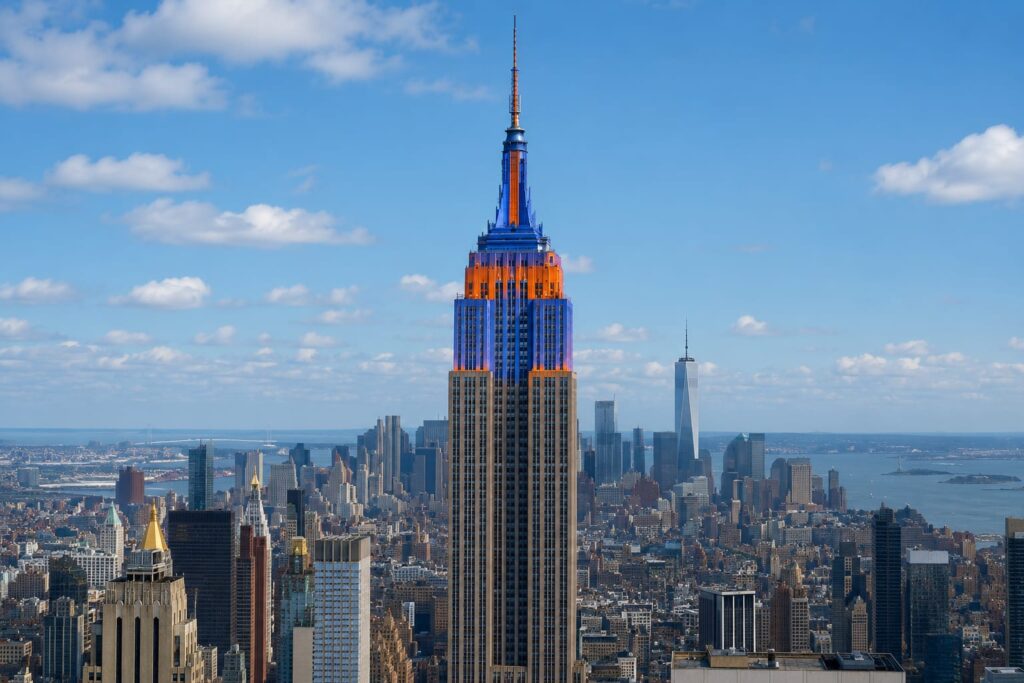
The city celebrating today looks very different from the one that celebrated in 1973. Home prices have soared. Entire neighborhoods have been reinvented. New landmarks have reshaped the skyline. Even the cost of a subway ride tells a story of how much has changed.
Yet while New York may look different, the excitement surrounding a Knicks championship feels remarkably familiar.
The last time the Knicks won it all:
Richard Nixon was President.
The World Trade Center had just opened.
The internet didn’t exist.
A gallon of gas cost less than 40 cents.
Madison Square Garden tickets were measured in dollars, not thousands.
So, in honor of the Knicks bringing a championship back to New York, we thought it would be fun to compare what life cost the last time the Knicks were champions versus today.
New York: 1973 vs. 2026
| 1973 | 2026 |
Average NYC Home Price | About $35,000 | More than $850,000 |
Average Monthly Rent | About $200 | More than $4,000 |
Subway Fare | $0.35 | $3.25 |
Madison Square Garden Ticket | About $10 | Thousands for Finals |
Median Household Income | About $12,000 | More than $90,000 |
Gallon of Gas | $0.39 | About $3.50 |
To put things into perspective, some Knicks Finals tickets this year became the most expensive in NBA Finals history, with average prices exceeding $7,000 and premium seats reaching far higher.
What Hasn’t Changed
Despite five decades of rising prices, changing skylines, and countless ups and downs, one thing remains remarkably consistent:
New Yorkers love their Knicks.
The city’s energy during this Finals run was impossible to miss. Fans packed bars, flooded Midtown after wins, transformed subway stations into blue-and-orange landmarks, and united neighborhoods across all five boroughs.
Whether you watched from Madison Square Garden, your local sports bar, or your living room, the excitement felt bigger than basketball.
It was a reminder that some moments bring New York together in a way few things can.
The Biggest Difference? The Cost of Calling New York Home.
Of all the changes New York has experienced since 1973, perhaps none are more dramatic than housing.
Back then, the average New York City home cost around $35,000. Today, that figure is closer to $850,000. Rent has followed a similar trajectory, rising from roughly $200 per month to well over $4,000 in many areas.
While incomes have increased over the past five decades, housing costs have risen at a much faster pace, making homeownership a very different journey than it was for previous generations.
Yet despite those challenges, people continue to invest in New York. They buy homes, raise families, build businesses, and put down roots in the communities they love.
That’s one thing that hasn’t changed since 1973: New York remains a place where people come to build a future.
More Than Five Decades of Change
Looking back at New York in 1973 feels almost surreal.
A home could be purchased for around $35,000. Rent was a few hundred dollars a month. A subway ride cost less than the price of a cup of coffee today.
Yet despite the rising prices, evolving neighborhoods, and ever-changing skyline, some things have remained remarkably consistent.
New Yorkers still take immense pride in their city. They still rally around their communities. And when the moment is right, they still come together to celebrate something bigger than themselves.
That’s what made this championship so special.
For a few weeks, New York felt connected by a shared sense of excitement, hope, and pride — much like it did the last time the Knicks brought home a title.
Fifty-three years may separate these two championships, but the feeling is timeless.
New York has changed. The numbers prove it.
But the spirit of the city remains the same. Go Knicks!


